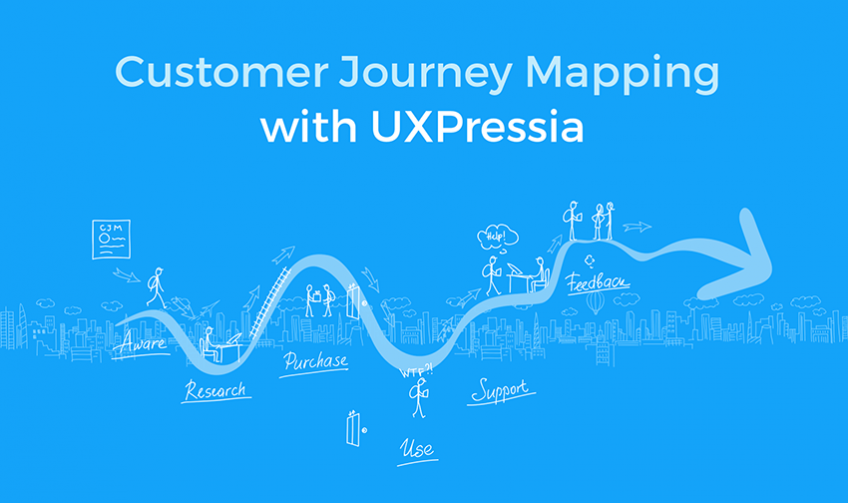
Looking for a visual guide into Customer Journey Mapping? Look no further! 😉 We’ve made this nice infographic for all of you who prefer pictures over text. Enjoy!


Looking for a visual guide into Customer Journey Mapping? Look no further! 😉 We’ve made this nice infographic for all of you who prefer pictures over text. Enjoy!
When should you create an impact map? This technique is simple, yet so powerful, has many applications and we’ll try to uncover most of them in this post.
Creating CJM is a challenging task. It’s not just about doing it right. Sometimes your CJM gets so complicated that it is impossible to fit it into one map.

How many personas should you have? One? Five? A dozen? Are there any standards? Let’s tackle these questions together in this post.

How to create truly powerful user personas that will awaken empathy and help you create better services? And how to avoid common mistakes when creating personas? In this post, we’ll answer this question and some others along the way.
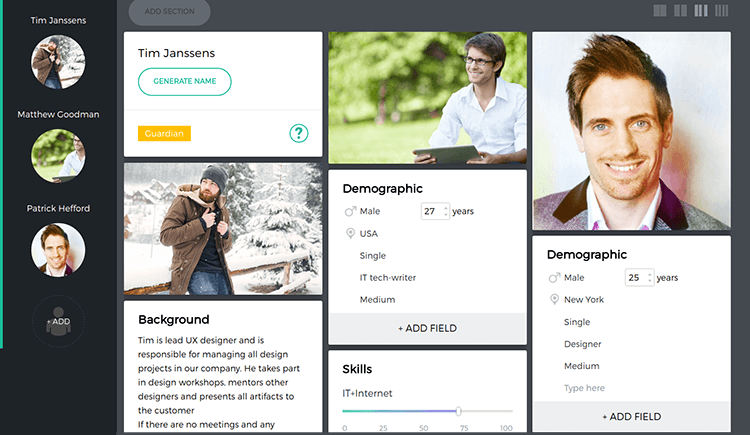
So much ado about these personas. Why do you want to use them? Well, there are many reasons and benefits. Today, we’ll look at the main 3 of them.

Creating a CJM just to put it on a shelf is a bad idea. You customer journey maps must be acted up, maintained properly and updated all the time. Let’s have a look at what you should do so your maps don’t collect dust somewhere in a drawer.

There are so many ways to screw up when doing customer journey mapping. You don’t want that. Let’s see what pitfalls you should avoid to take the best out of CJM.
What should be taken into consideration when analyzing a customer journey map? In this post, we’ll give you seven things to check when doing customer journey mapping.